Local Life
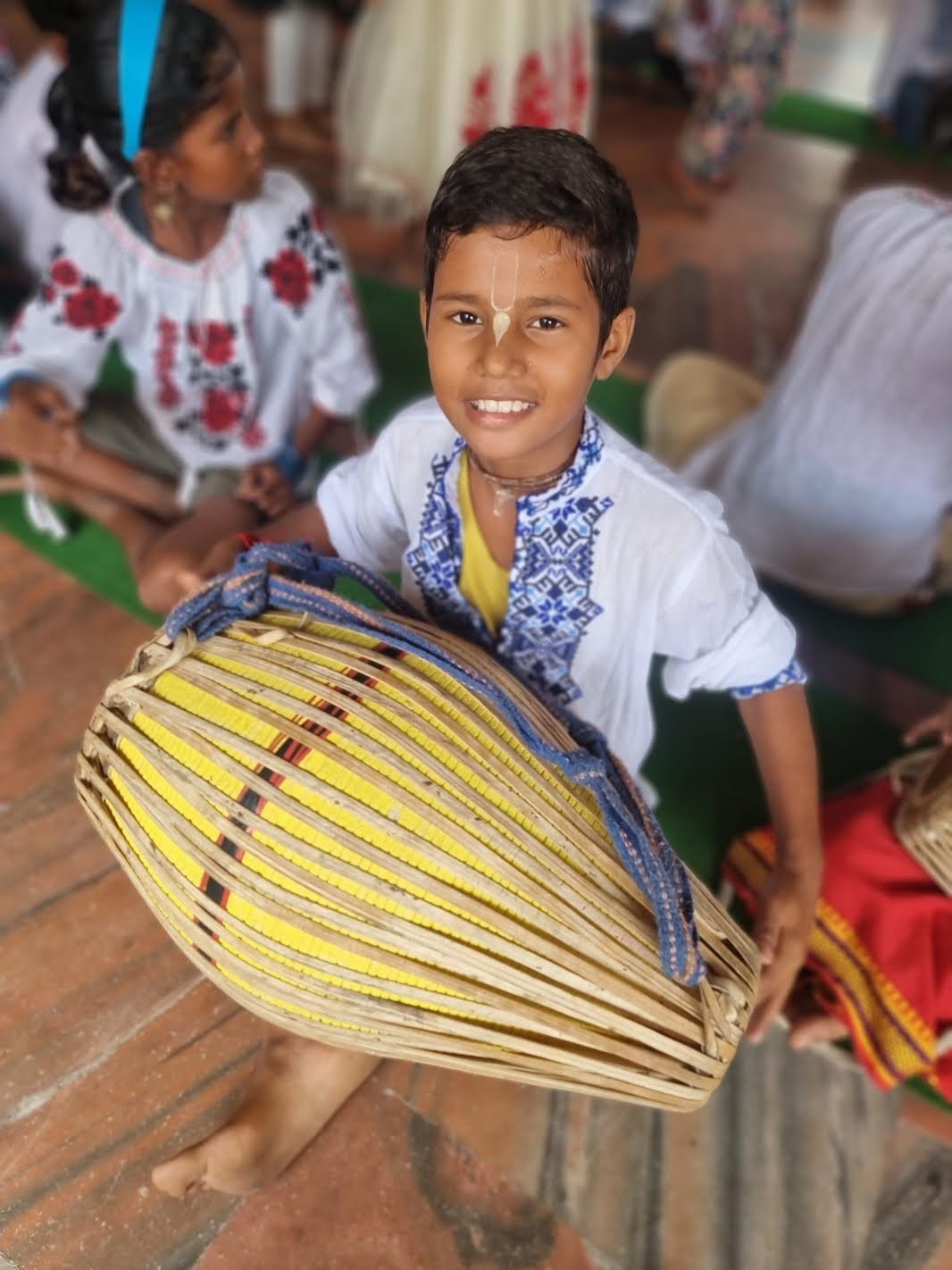
Growing up in the lanes and temple town around Vrindavan.
Vrindavan sits in Mathura district, Uttar Pradesh, about 150 kilometers south of Delhi. It is a place of pilgrimage, devotion, small trade, seasonal work, and families living very close to the edge.
Geographical Reference
Between sacred geography and everyday poverty.
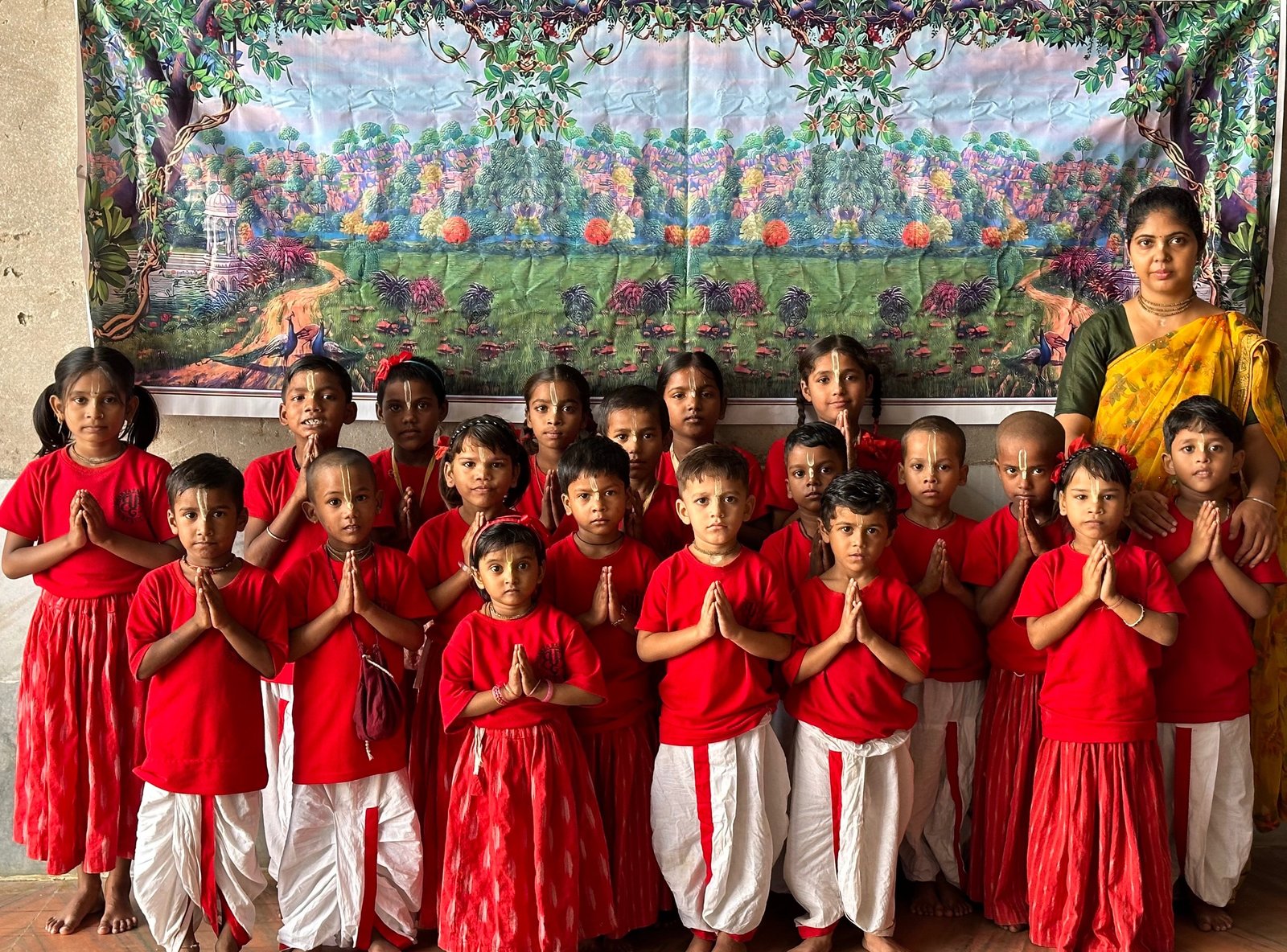
The school serves children in and around Vrindavan, a town known worldwide for its connection with Krishna bhakti. Pilgrims, ashrams, temples, cows, small shops, carts, scooters, and narrow lanes are part of the daily landscape. Behind the devotional life are families who survive on modest and often irregular income.
- Region: Vrindavan, Mathura district, Uttar Pradesh, India.
- Local economy: pilgrimage, small shops, day labor, transport, domestic work, construction, and informal services.
- Daily challenge: income can change by season, festival traffic, health, weather, and availability of work.
Home Conditions
What life around the school can look like.
These descriptions are general examples for website copy. They should be checked and adjusted with the school team for exact local accuracy.
Our Neighborhood
Many families live in one room or a small rented space. Children may sleep beside parents, siblings, and grandparents, often on mats, thin mattresses, or shared bedding.
Water and Toilets
Some homes depend on shared taps, hand pumps, stored water, or neighborhood supply. Toilets and bathing areas may be shared, simple, or outside the main room.
Food
Home food is often simple: roti, rice, dal, vegetables when available, tea, or leftovers. When work is slow, portions may be smaller and school meals become more important.
Work and Income
Parents may sell small items, drive a rickshaw, clean homes, work at construction sites, help in shops, collect recyclables, or take whatever daily wage is available.
Children's Lives
Children often care for younger siblings, fetch water, buy small household items, help cook, sweep, wash utensils, or assist parents after school.